




If you’ve recently bought your first rental property in New York—or you’re thinking about turning your current home into a rental—one of the first questions you’ll face is: “What do I do about insurance?” The natural instinct is to assume you can just keep your homeowners policy or get something similar. After all, it’s still a house, right?
Not necessarily. The moment you start collecting rent, everything changes from an insurance standpoint. Homeowners insurance is designed for owner-occupied residences where you live in the property, maintain it daily, and aren’t generating income from it. Rental property insurance (also called landlord insurance or dwelling fire insurance) is built for properties you own but don’t live in—properties occupied by tenants who may or may not take care of the place the way you would.
Trying to insure a rental property with a homeowners policy is one of the most common—and most expensive—mistakes new landlords make. It seems like a minor technicality until you file a claim and discover the policy doesn’t cover tenant-related damage, liability claims from tenant injuries, or loss of rental income after a fire. At that point, you’re stuck with a five-figure loss and no coverage to help.
At Weed Ross, we help landlords across Western and Upstate New York navigate the transition from homeowners to rental property insurance. Whether you’re renting out a single-family house, a duplex, or building a small portfolio, the insurance structure matters—a lot.
Let’s break down what actually changes:
- The fundamental differences between homeowners and rental property insurance
- What landlord policies cover (and what they don’t)
- Why you can’t just “keep your homeowners policy” when you start renting
- How to structure coverage for single properties vs. multi-unit buildings
- Common mistakes New York landlords make with insurance—and how to avoid them
Why Homeowners Insurance Doesn’t Work for Rental Properties
Homeowners insurance is underwritten with a specific set of assumptions: you live in the home full-time, you’re maintaining it regularly, you’re the only one occupying it (along with family members), and there’s no commercial activity happening. The moment any of those assumptions break down, the policy may not respond the way you expect.
Here’s what changes when you rent a property:
- Occupancy: The insurer cares who’s living there. A policy written for owner-occupancy doesn’t account for tenant occupancy. Tenants—especially those you don’t know well—may not maintain the property, may cause damage, or may create liability situations that wouldn’t happen if you were living there yourself.
- Commercial use: Collecting rent is a commercial activity. You’re running a business, even if it’s just one rental house. Homeowners policies generally exclude or limit coverage for business activities conducted on the premises.
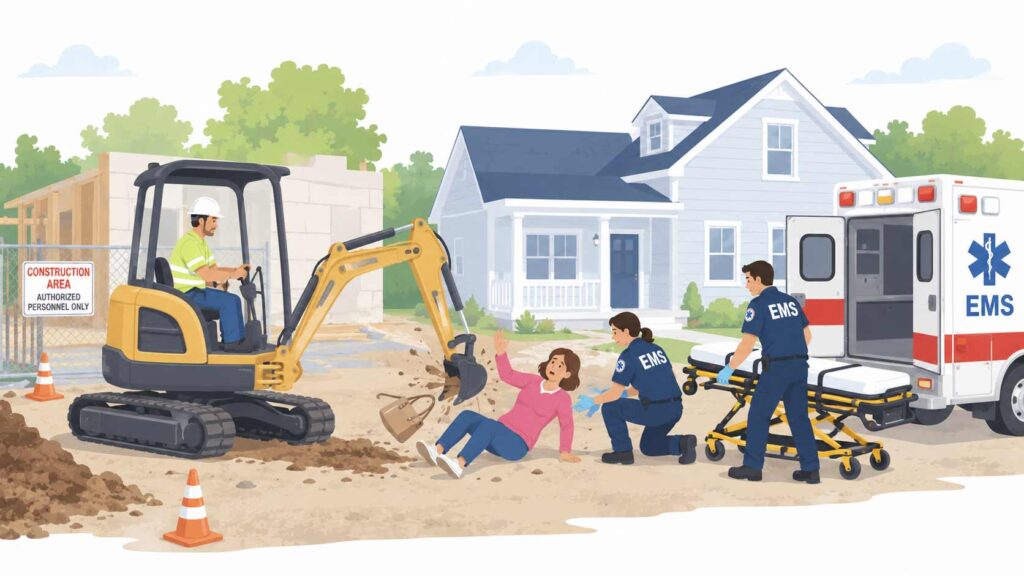
- Liability exposure: When tenants and their guests are on the property, your liability exposure increases. A tenant’s guest slips on icy stairs, a tenant’s child is injured on a defective deck, a tenant sues you for failing to fix a hazard—all of these create claims that fall outside the scope of typical homeowners liability coverage.
- Loss of income: If your rental property is damaged and becomes uninhabitable, you lose the rental income while it’s being repaired. Homeowners insurance doesn’t cover lost rental income because it assumes you live there and aren’t generating income from it in the first place.
Many homeowners policies explicitly exclude coverage if the property is rented for more than a certain number of days per year (often 30-60 days). Even if there’s no explicit exclusion, the policy may limit coverage or deny claims if the insurer discovers the property was being rented without disclosure.
Here’s the bottom line: if you’re renting a property and insuring it under a homeowners policy, you’re probably not covered—and you won’t find out until it’s too late.
What Rental Property Insurance (Landlord Insurance) Actually Covers
Rental property insurance—often called a landlord policy or dwelling fire policy (DP-3)—is specifically designed for properties you own but rent to others. Here’s what it includes:
Dwelling Coverage
This covers the physical structure of the rental property: the building itself, attached structures (like a garage), and built-in fixtures. It protects against fire, wind, hail, lightning, vandalism, and other covered perils.
Key difference from homeowners: You’re insuring the building, not necessarily the contents inside it. If tenants have their own belongings, those are covered under their renters insurance, not your landlord policy.
Make sure your dwelling coverage reflects actual replacement cost—not market value or tax assessments. If the property is older or has custom features, rebuilding could cost more than you think.
Other Structures Coverage
This covers detached structures on the property: sheds, detached garages, fences, or standalone guest houses. If you’re renting a property with outbuildings, make sure these are included in your coverage or listed separately.
Loss of Rental Income (Fair Rental Value)
This is one of the most important coverages for landlords—and it’s not included in homeowners insurance. If a covered event (fire, storm damage, etc.) makes the property uninhabitable, loss of rental income coverage replaces the rent you would have collected while repairs are being made.
For example: your rental house burns down in January. It takes 9 months to rebuild. If the property rents for $2,000/month, you’re losing $18,000 in income during that time. Loss of rental income coverage helps replace that lost cash flow.
Make sure your limit is adequate and that the coverage period (usually 12 months) is long enough to account for realistic repair timelines.
Liability Coverage
Liability coverage protects you if someone is injured on the rental property and decides to sue.
This includes:
- Tenant injuries (slip-and-fall, injuries from defective stairs, etc.)
- Guest injuries (a tenant’s visitor gets hurt on the property)
- Allegations that you failed to maintain the property in a safe condition
Liability limits for landlords should be higher than typical homeowners limits. $300,000 or $500,000 is often the minimum, but $1 million is safer—especially if you own multiple properties or have significant personal assets to protect.
Medical Payments
This is a small coverage (usually $1,000-$5,000) that pays for minor medical expenses if someone is injured on the property, regardless of fault. It’s designed to cover small injuries quickly without turning into a lawsuit.
Optional Coverages You Should Consider
Beyond the basics, there are several add-ons that make sense for many landlords:
Building Ordinance or Law Coverage: If your rental property is damaged and needs to be rebuilt, current building codes may require upgrades that weren’t in the original structure (electrical, plumbing, accessibility, etc.). Ordinance or law coverage helps pay for those mandatory upgrades. This is especially important for older properties.
- Equipment Breakdown: If you’re renting a property with critical systems—HVAC, water heaters, electrical panels—equipment breakdown coverage helps pay for repairs or replacement when these systems fail. It can also cover lost rental income if a breakdown makes the property uninhabitable.
- Landlord Contents Coverage: If you own the appliances, furniture, or other personal property in the rental (furnished rentals, appliances included in lease), you can add contents coverage to protect those items.
- Umbrella Liability: An umbrella policy sits on top of your underlying landlord liability coverage and provides an extra layer of protection. If you own multiple rental properties or have substantial personal assets, an umbrella is a cost-effective way to boost your total liability limits.
What Rental Property Insurance Does NOT Cover
It’s just as important to understand what landlord insurance doesn’t cover:
- Tenant’s Personal Belongings: Your landlord policy does not cover your tenant’s furniture, clothes, electronics, or other personal property. Tenants need their own renters insurance for that. (You should require this in the lease.)
- Intentional Damage by Tenants: If a tenant deliberately damages the property out of spite or negligence, standard landlord policies generally don’t cover it. You can pursue the tenant legally or through their security deposit, but the insurance won’t pay.
- Normal Wear and Tear: Landlord insurance covers sudden, accidental damage from covered perils. It doesn’t cover deterioration, maintenance issues, or normal wear and tear. If the roof leaks because it’s old and hasn’t been maintained, that’s on you.
- Vacant Property: If the property sits vacant for an extended period (usually 30-60 days), coverage may be limited or excluded. Some insurers offer vacant property endorsements, but you need to request them—and they often come with higher premiums and limited coverage.
- Flood and Earthquake: Like homeowners policies, landlord insurance typically excludes flood and earthquake. If your property is in a flood zone or seismically active area, you need separate coverage.
How Coverage Changes For Single-Family Rentals vs. Multi-Unit Properties
The structure of your coverage depends on what kind of property you’re renting.
Single-Family Homes and Condos
For standalone single-family rentals or condos you’re renting out, a standard landlord policy (DP-3) works well. You insure the dwelling, add liability and loss of rental income coverage, and you’re covered.
If you’re renting a condo, make sure your policy coordinates with the condo association’s master policy. The association covers the building structure; you cover your unit’s interior, improvements you’ve made, and your liability as the owner.
Duplexes, Triplexes, and Small Multi-Family
For 2-4 unit properties, you’ll still use a landlord policy, but the structure gets slightly more complex. You’re covering multiple units under one roof, which means:
- Higher dwelling limits (you’re insuring the entire building)
- Multiple tenants, which increases liability exposure
- Loss of rental income coverage that accounts for multiple units being offline simultaneously if there’s a major loss
Make sure your policy reflects the total rental income from all units, not just one.
Apartment Buildings (5+ Units)
Once you hit five units or more, most insurers shift you into commercial property insurance rather than residential landlord coverage. Commercial policies offer higher limits, broader coverage options, and structures designed for larger buildings with more tenants.
If you’re building a rental portfolio and acquiring larger properties, work with an agent who understands the transition from residential landlord policies to commercial coverage.
Common Mistakes New York Landlords Make with Insurance
Even landlords who know they need specialized coverage make avoidable mistakes that leave them exposed.
Keeping a Homeowners Policy After Moving Out
This is the big one. You buy a house, live in it for a few years under a homeowners policy, then move and decide to rent it out. You keep the same insurance and never tell the carrier. When a tenant causes damage or someone gets hurt, the insurer investigates, discovers the rental activity, and denies the claim based on misrepresentation.
How to avoid: Call your agent as soon as you decide to rent the property and switch to a landlord policy before the first tenant moves in.
Not Requiring Tenants to Carry Renters Insurance
Your landlord policy doesn’t cover tenant belongings or tenant-caused liability. If a tenant’s candle starts a fire and damages the building, you’re covered—but if the tenant sues you alleging the fire was caused by faulty wiring you should have fixed, that’s a liability claim.
How to avoid: Requiring tenants to carry renters insurance (and naming you as an additional interest) adds a layer of protection.
Underinsuring the Dwelling
Using the purchase price or property tax assessment as your dwelling limit is a mistake. Replacement cost—what it would actually take to rebuild the structure—can be significantly higher, especially for older homes or properties with custom features.
How to avoid: Make sure your dwelling limit reflects realistic rebuild costs.
Not Having Loss of Rental Income Coverage
This is often an optional add-on or has a default limit that’s too low. If you’re relying on rental income to cover your mortgage, property taxes, and other expenses, losing that income for 6-12 months during repairs can be financially devastating.
How to avoid: Make sure your loss of rental income coverage is adequate.
Ignoring Vacancy Limitations
If your property sits vacant between tenants for more than 30-60 days, coverage can be limited.
How to avoid: If you’re planning renovations or having trouble finding tenants, talk to your insurer about vacant property coverage or endorsements to avoid gaps.
How to Choose the Right Landlord Insurance for Your Property
Here’s a quick checklist for structuring landlord coverage:
- Determine Your Dwelling Limit: Get a replacement cost estimate, not just market value.
- Set Adequate Loss of Rental Income Coverage: Calculate monthly rent x 12 months (or longer if realistic).
- Choose Liability Limits: Start at $1 million, go higher if you own multiple properties.
- Add Equipment Breakdown and Ordinance/Law Coverage: Especially for older properties.
- Consider an Umbrella Policy: If you have multiple rentals or significant assets.
- Require Tenants to Carry Renters Insurance: Include this in your lease.
- Review Annually: As rents increase or you make improvements, update your limits.
How Weed Ross Helps New York Landlords Get the Right Coverage
Landlord insurance isn’t rocket science, but it’s also not something you want to guess at or grab online without understanding what you’re actually buying. At Weed Ross, we work with landlords across Western and Upstate New York—from first-time single-property owners to investors managing small portfolios—to make sure their insurance matches the business they’re actually running. We’ll help you:
- Transition from homeowners to landlord coverage when you start renting
- Structure policies for single-family, multi-unit, or mixed portfolios
- Set appropriate dwelling, liability, and loss of rental income limits
- Identify gaps or mistakes in your current coverage before they cost you
If you’re renting a property in New York and you’re not sure whether your insurance is set up correctly, let’s have a conversation. Reach out to Weed Ross and we’ll review your property, your current policy, and your exposure—then build coverage that actually protects your investment.