



If you own a business in New York—whether it’s a retail shop, a restaurant, a consulting firm, or a small manufacturing operation—general liability insurance is probably the single most important coverage you can carry. It’s the policy that protects you when someone claims your business caused them bodily injury, damaged their property, or harmed them through your advertising or operations.
General liability (GL) is what responds when a customer slips and falls in your store, when a contractor damages a client’s building while working on-site, when a vendor trips over your equipment and breaks an arm, or when a competitor alleges your marketing caused them financial harm. Without it, you’re personally on the hook for legal defense costs, settlements, and judgments—expenses that can easily run into six figures for even relatively minor claims.
Most commercial leases require proof of general liability insurance before you can sign. Many clients and contractors won’t work with you without a certificate showing you carry adequate coverage. And if you’re serious about protecting what you’ve built, GL isn’t optional—it’s foundational.
At Weed Ross, we work with businesses across Western and Upstate New York to make sure their general liability coverage is structured correctly—with adequate limits, the right endorsements, and coordination with other policies so there aren’t gaps when claims happen. What we’re covering here:
- What general liability insurance actually covers (and what it doesn’t)
- Common claims scenarios and how GL responds
- How much coverage New York businesses actually need
- How to get the right courage with liability insurance
What General Liability Insurance Covers
General liability insurance covers three main categories of claims: bodily injury, property damage, and personal and advertising injury. Let’s break down what each one means in practice.
Bodily Injury to Third Parties
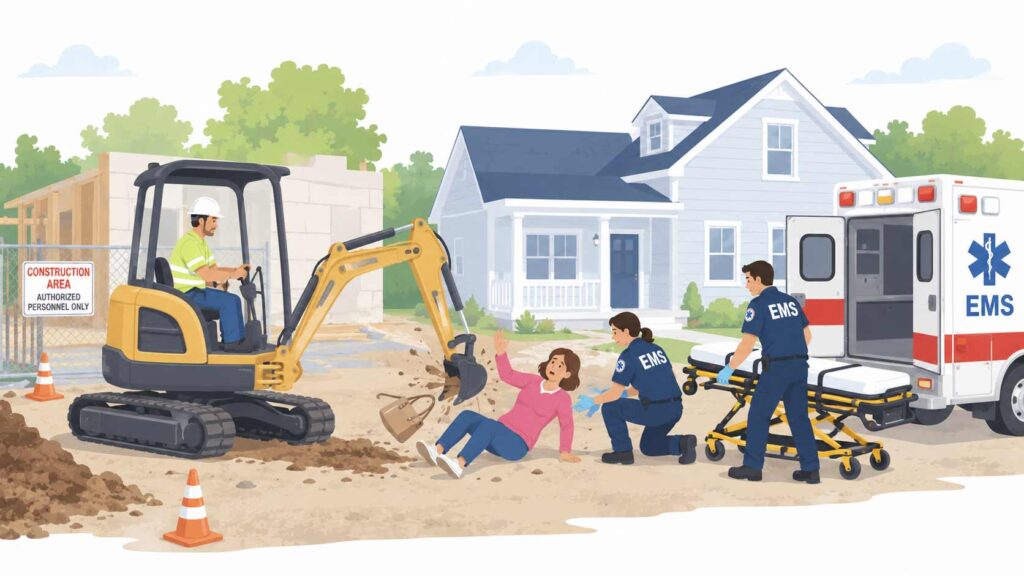
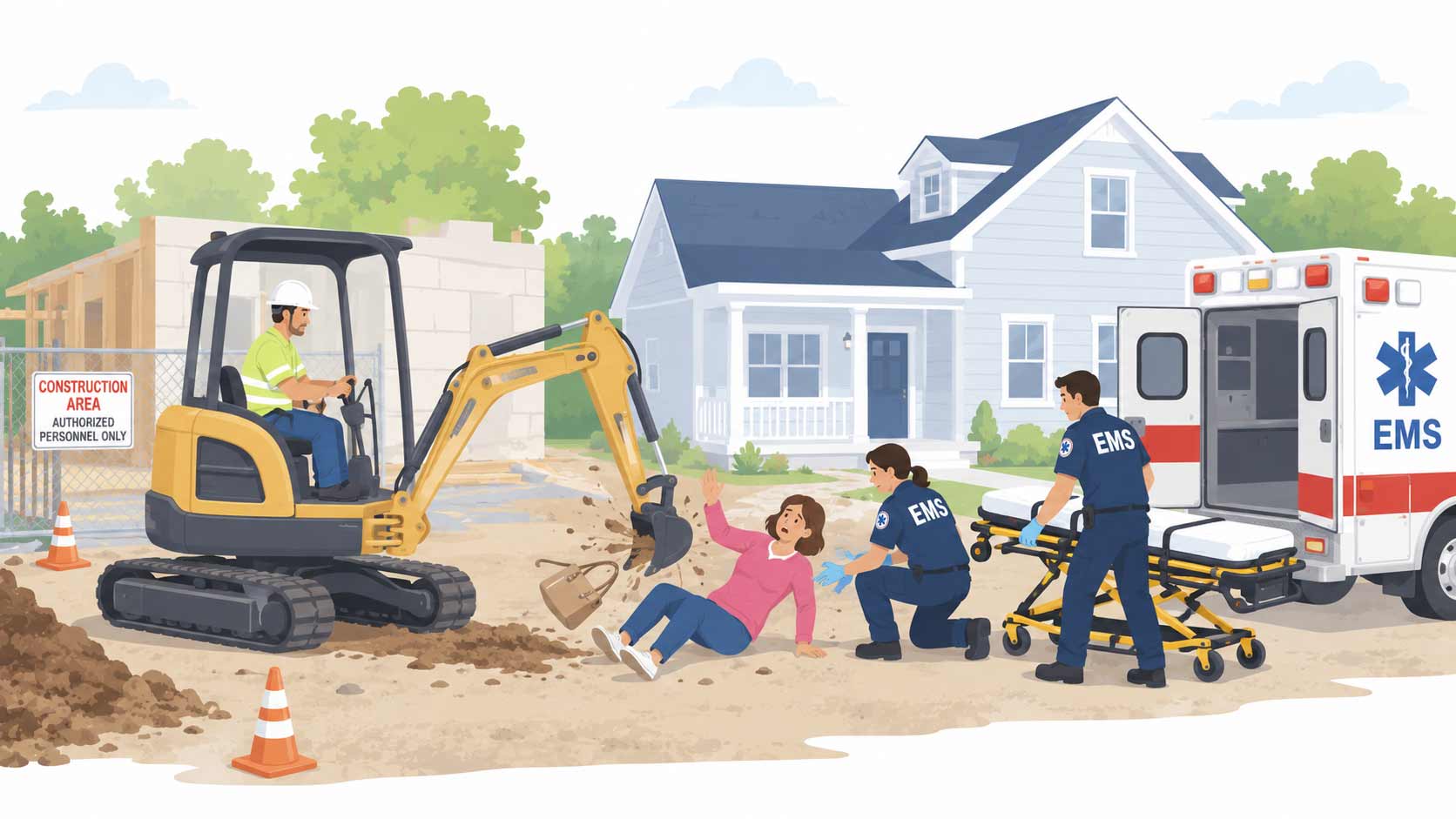
This is the most common type of GL claim. Bodily injury coverage protects you if someone who isn’t your employee gets hurt because of your business operations or on your premises.
Examples:
- A customer slips on a wet floor in your retail store and breaks a wrist
- A client visiting your office trips on a loose carpet and injures their back
- A delivery driver is hurt by falling merchandise in your warehouse
- A visitor to your restaurant slips on ice outside the entrance and fractures a hip
- A contractor working at a client’s site causes injury to a bystander
GL covers the injured party’s medical expenses, lost wages, pain and suffering, and your legal defense costs if they sue. It also covers settlements or judgments up to your policy limits.
What it doesn’t cover: injuries to your own employees. That’s what workers’ compensation insurance is for.
Property Damage to Third Parties
Property damage coverage protects you if your business operations damage someone else’s property.
Examples:
- A plumber working at a client’s home accidentally breaks a pipe and floods the basement
- Your delivery truck backs into a customer’s garage door
- A contractor damages a client’s flooring while moving equipment
- Your landscaping crew accidentally damages a neighbor’s fence
- Equipment you’re using at a job site falls and breaks a client’s window
GL covers the cost to repair or replace the damaged property, and again, your legal defense if the property owner sues.
Personal and Advertising Injury
This is the least understood part of GL coverage, but it matters. Personal and advertising injury covers claims related to:
- Libel or slander (false statements that harm someone’s reputation)
- False advertising or misrepresentation in your marketing
- Violation of privacy (misusing someone’s image or personal information)
- Infringement of copyright, trademark, or slogan (in your advertising)
Example:
A competitor claims your advertising falsely implies their product is unsafe, harming their business. Your GL policy would cover your defense and any settlement.
This coverage has limitations—it typically doesn’t cover patent infringement, intentional wrongdoing, or digital/cyber-related claims (those need separate cyber liability coverage).
Medical Payments (Med Pay)
Most GL policies include a small amount of medical payments coverage, typically $5,000 to $10,000. This pays for immediate medical expenses if someone is injured on your premises or by your operations, regardless of fault. It’s designed to cover minor injuries quickly without turning into a lawsuit.
Example:
A customer trips in your store and cuts their hand. Med pay covers the ER visit and stitches without requiring them to prove you were negligent.
Common General Liability Claims and How They Play Out
Let’s look at some real-world scenarios to see how GL insurance actually works.
The Slip-and-Fall (Classic Premises Liability)
You own a coffee shop in Buffalo. A customer walks in on a rainy day, slips on the wet tile floor near the entrance, and breaks their ankle. They sue you for $150,000 in medical bills, lost wages, and pain and suffering, claiming you didn’t have adequate mats or warning signs.
Your GL policy covers your legal defense (which could cost $50,000+ even if you win) and the settlement or judgment if you lose. Without GL, you’re paying all of that out of pocket—and possibly losing your business.
The Contractor Who Damages Client Property
You run a small HVAC company in Rochester. One of your techs is installing a new furnace and accidentally damages the homeowner’s finished basement ceiling, causing $15,000 in repairs. The homeowner files a claim.
Your GL policy covers the $15,000 in property damage. If the homeowner sues claiming additional damages (lost use of the space, etc.), GL covers your defense and any additional settlement.
The Advertising Injury Claim
You own a marketing agency in Albany. A competitor claims your recent ad campaign uses language and imagery too similar to their trademarked slogan, and they sue for trademark infringement and lost business.
Your GL policy’s personal and advertising injury coverage defends you and covers the settlement, up to your policy limits. Without this coverage, you’d be paying a lawyer $300-500/hour out of pocket just to respond to the lawsuit.
How Much General Liability Coverage Do New York Businesses Need?
The standard GL policy structure is $1 million per occurrence / $2 million aggregate. That means:
- Up to $1 million for any single claim or incident
- Up to $2 million total for all claims during the policy period
For many small businesses, this is adequate. But it’s not always enough. Here’s when you need more:
- You Have Significant Assets to Protect: If you own multiple properties, have substantial business assets, or personal wealth, higher limits (or an umbrella policy) make sense. A $1 million judgment could wipe out everything you’ve built.
- Your Lease or Contracts Require Higher Limits: Many commercial leases in New York require $2 million per occurrence or more. Large clients and general contractors often require subcontractors to carry $2-5 million in liability coverage.
- You Operate in High-Risk Industries: Restaurants, bars, construction, events, childcare, fitness centers—these industries have higher liability exposure. If you’re serving alcohol, working at heights, or hosting large crowds, you need more than minimum limits.
- You Have High Foot Traffic or Public Interaction: Retail stores, restaurants, gyms, event venues—the more people on your premises, the higher your liability risk. More exposure = more coverage needed.
- You Work at Client Sites: If your business involves going to customer locations (contractors, consultants, service providers), your liability exposure increases because you’re operating in environments you don’t control.
For businesses in these categories, consider $2 million per occurrence or adding an umbrella policy that sits on top of your GL coverage and provides an additional $1-5 million (or more) in protection.
What General Liability Insurance Does NOT Cover
GL is broad, but it has important exclusions. Understanding what’s not covered helps you avoid gaps.
- Employee Injuries: GL doesn’t cover injuries to your own employees. That’s what workers’ compensation insurance is for, and it’s required by law in New York if you have employees.
- Professional Errors and Negligence: If you’re a consultant, designer, accountant, lawyer, engineer, or other professional, GL doesn’t cover claims that you made a mistake, gave bad advice, or failed to deliver services properly. You need professional liability insurance (E&O) for that.
- Damage to Your Own Property: GL covers damage to other people’s property, not yours. Your own building, equipment, and inventory are covered under commercial property insurance.
- Auto Accidents: If you or an employee causes an accident while driving for business, GL doesn’t cover it. You need commercial auto insurance for that.
- Cyber and Data Breaches: GL doesn’t cover data breaches, hacking, ransomware, or other cyber incidents. You need cyber liability insurance.
- Intentional Acts and Criminal Behavior: If you or an employee intentionally harms someone or engages in criminal activity, GL won’t cover it.
- Pollution and Environmental Damage: GL excludes pollution-related claims. If your business involves chemicals, waste, or environmental risk, you need pollution liability coverage.
Understanding these exclusions is critical. Many business owners assume “liability insurance” covers everything liability-related, but that’s not how it works. You need a full insurance program that layers GL with other coverages based on your actual operations.
How to Get the Right General Liability Coverage for Your Business
Here’s a practical checklist for making sure your GL coverage is adequate:
Assess Your Risk
What’s your industry? How much foot traffic do you have? Do you work on-site at client locations? The higher your exposure, the more coverage you need.
Check Lease and Contract Requirements
Review your lease and any client contracts to see what limits are required. Don’t just meet the minimum—consider whether it’s actually enough.
Decide on Limits
$1 million per occurrence is a baseline. $2 million is safer. If you need more, consider an umbrella.
Add Necessary Endorsements
Additional insured endorsements, waiver of subrogation, hired/non-owned auto (if needed).
Coordinate with Other Coverages
Make sure you also have property, auto, workers’ comp, and any industry-specific coverages (E&O, cyber, liquor liability, etc.).
Review Annually
As your business grows, your coverage needs change. Review your GL limits and endorsements every year.
How Weed Ross Helps New York Businesses Get General Liability Right
General liability insurance isn’t complicated, but getting it right requires understanding your actual risk and structuring coverage that protects you without overpaying for things you don’t need.
At Weed Ross, we work with businesses across Western and Upstate New York to build liability programs that make sense. We help you:
- Determine appropriate limits based on your industry, assets, and contracts
- Add endorsements for additional insureds, waivers, and specific coverage needs
- Coordinate GL with property, auto, workers’ comp, and other policies so there aren’t gaps
- Review coverage annually as your business grows or changes
If you’re running a business in New York and you’re not sure whether your general liability coverage is adequate—or if you don’t have it at all—let’s fix that. Contact us at Weed Ross and we’ll walk through your operations, your risk, and your current coverage to make sure you’re actually protected.