




Short-term rentals have changed the real estate game in New York. Whether you’re renting out a spare room in your primary residence, listing your entire home while you’re away, or running a dedicated Airbnb or VRBO property as an investment, the income potential is real. But so are the risks—and most property owners don’t realize how exposed they are until something goes wrong.
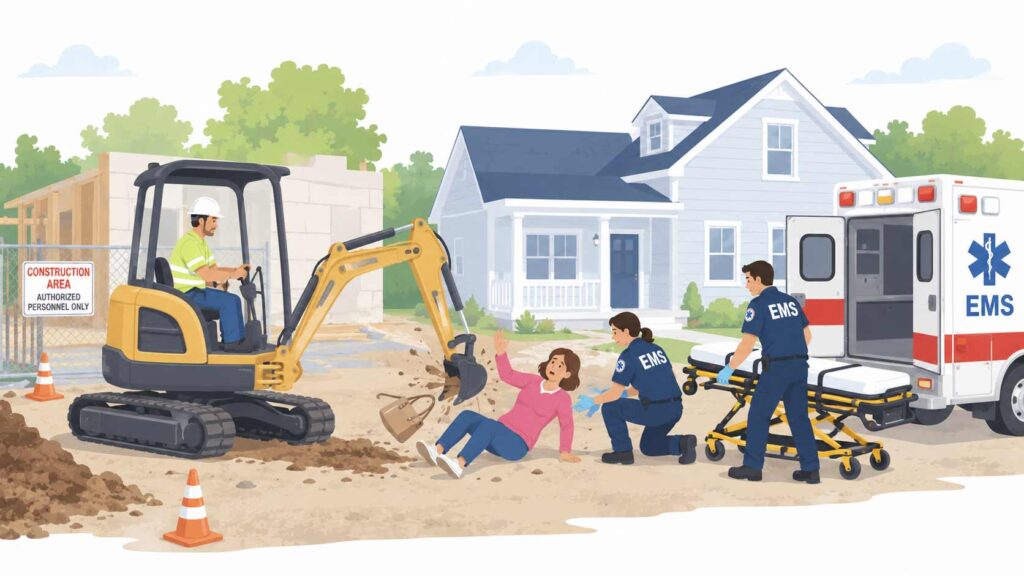
Here’s the uncomfortable truth: your standard homeowners or landlord insurance probably doesn’t cover short-term rental activity. Even if the policy doesn’t explicitly exclude it, the moment you start hosting paying guests for stays under 30 days, you’ve crossed into commercial hospitality territory. That means different liability exposure, higher property damage risk, and coverage gaps that can cost you tens of thousands of dollars if a guest gets injured, your property is damaged, or you’re sued.
The insurance that comes with Airbnb and VRBO—the “Host Protection” and “Host Guarantee” programs—sounds reassuring, but it’s secondary coverage with significant limitations. It’s not a replacement for proper insurance; it’s a backup that only kicks in after your own coverage is exhausted or denied. If you’re relying solely on the platform’s protection and something serious happens, you’re going to find out the hard way that it’s not enough.
At Weed Ross, we work with short-term rental hosts across New York—from city apartments to Catskills cabins and lakefront vacation homes—helping them find coverage that actually protects their properties and income. The right insurance isn’t optional; it’s what separates a profitable rental operation from a financial disaster waiting to happen. Here’s what we’re covering in this article:
- Why homeowners and standard landlord insurance don’t cover short-term rentals
- What Airbnb and VRBO’s coverage actually provides (and where it falls short)
- The types of insurance short-term rental hosts actually need
- How to structure coverage based on how you’re using the property
- Common claims and mistakes that leave hosts exposed
Why Your Current Insurance Probably Doesn’t Cover Short-Term Rentals
Standard homeowners insurance is written for owner-occupied residences. The underwriting assumes you live there, maintain the property, and aren’t running a business out of it. Short-term rentals violate all of those assumptions. Here’s what changes when you list on Airbnb or VRBO:
- Commercial Activity: You’re collecting money from guests in exchange for lodging. That’s a commercial transaction, and most homeowners policies either exclude or severely limit coverage for business activities conducted on the premises.
- Higher Liability Exposure: Short-term guests are strangers. They’re unfamiliar with your property, may not follow house rules, and create more liability risk than long-term tenants or your own family. Injuries, property damage, and disputes are more common with high turnover.
- Increased Property Damage Risk: Guests cycle through quickly, and not all of them treat your property with care. Broken furniture, stained carpets, damaged appliances, and intentional damage all become more likely when you’re hosting dozens of different guests per year.
- Occupancy Frequency: Many homeowners policies have limitations on how many days per year you can rent the property before coverage is affected. Rent it out more than 30-60 days annually, and you may be in violation of your policy terms.
Many standard homeowners policies contain exclusions like this: “We do not cover loss or damage while the dwelling is rented to others for more than [X] days per year.” If you’re running an active Airbnb with dozens of bookings annually, you’re almost certainly exceeding that threshold.
Even landlord insurance (dwelling fire policies) isn’t designed for short-term rentals. Landlord policies assume long-term tenants (30+ days), lower turnover, and a more stable occupancy pattern. Short-term rental activity introduces risks that go beyond what those policies are structured to handle.
What Airbnb and VRBO’s Insurance Actually Covers
Both Airbnb and VRBO offer insurance programs to hosts, but they’re not comprehensive coverage—they’re limited protection with significant gaps.
Airbnb Host Protection Insurance
Airbnb provides up to $1 million in liability coverage under their “Host Protection Insurance” program. It covers:
- Third-party bodily injury claims (guest injuries)
- Third-party property damage claims
What it doesn’t cover:
- Damage to your property or contents caused by guests (that’s under the separate “Host Guarantee” program, which has its own limitations)
- Claims that exceed $1 million
- Intentional acts, criminal activity, or violations of local laws
- Motor vehicle accidents
- Communicable diseases or bed bugs
- Claims where your own insurance is primary (Airbnb’s coverage is secondary)
Airbnb Host Guarantee
Airbnb’s “Host Guarantee” provides up to $3 million in protection for property damage caused by guests. Sounds great, but:
- It’s not insurance; it’s a reimbursement program with strict documentation requirements
- You have to file a claim through Airbnb’s resolution center within 14 days of checkout
- It excludes cash, jewelry, collectibles, pets, and certain high-value items
- Reimbursement is capped and often disputed—hosts regularly complain about denied or reduced claims
- It doesn’t cover lost income while the property is being repaired
VRBO’s Protection Programs
VRBO (now part of Vrbo) offers similar programs:
- Liability insurance up to $1 million (secondary coverage)
- Property damage protection up to $10,000 per incident (also with limitations and disputes)
Like Airbnb, VRBO’s coverage is secondary and comes with strict claim filing requirements. It’s not a substitute for your own insurance.
The Big Problem: Secondary Coverage
Both platforms’ insurance is secondary, meaning it only pays out after your own insurance is exhausted or declines the claim. If your homeowners or landlord policy excludes short-term rental activity and denies a claim, Airbnb or VRBO’s coverage might step in—but they can also argue that you should have had proper insurance and deny the claim themselves.
You’re left with a gap: your own policy says “we don’t cover short-term rentals,” and the platform says “your insurance should have covered this.” You end up holding the bag.
The Types of Insurance Short-Term Rental Hosts Actually Need
If you’re serious about hosting on Airbnb, VRBO, or similar platforms, you need insurance specifically designed for short-term rental activity. Here’s what that looks like:
Short-Term Rental Endorsement (to Homeowners or Landlord Policy)
Some insurers offer endorsements that add short-term rental coverage to your existing homeowners or landlord policy. This explicitly covers:
- Liability from guest injuries
- Property damage caused by guests
- Loss of rental income if the property is damaged and you can’t host
This is often the most cost-effective option if you’re hosting occasionally (a few weeks per year) or renting out part of your primary residence. Not all carriers offer this, and those that do may have restrictions on the number of rental days per year or the type of property eligible.
Standalone Short-Term Rental Insurance Policy
For dedicated Airbnb or VRBO properties—homes you own specifically to rent short-term—a standalone short-term rental policy is often the better choice. These are designed specifically for high-turnover rental activity and include:
- Property coverage for the building and contents
- Liability coverage for guest injuries and third-party claims
- Loss of rental income coverage
- Guest property damage coverage (up to certain limits)
These policies are more expensive than standard homeowners insurance, but they’re structured to actually respond when you have a claim related to short-term rental activity.
Commercial Property Insurance
If you’re running multiple short-term rental properties or a property that’s rented year-round with very high occupancy, some insurers will move you into commercial property coverage. This is more expensive but offers broader protection, higher limits, and coverage for business-level operations.
Additional Coverages to Consider
Beyond the base policy, consider adding:
Umbrella Liability: An umbrella policy sits on top of your underlying liability coverage and provides an extra layer of protection. For short-term rental hosts with multiple properties or high-value assets, this is a smart addition.
- Bed Bug Coverage: Bed bugs are a real risk in short-term rentals, and treatment can cost thousands of dollars. Some short-term rental policies offer bed bug coverage as an add-on.
- Theft and Vandalism Coverage: Make sure your policy covers theft by guests or intentional property damage. Some policies exclude or limit this.
- Equipment Breakdown: If your property relies on HVAC, water heaters, or other critical systems, equipment breakdown coverage helps pay for repairs and can cover lost rental income if the breakdown makes the property uninhabitable.
How to Structure Coverage Based on How You’re Using the Property
The right insurance setup depends on how you’re actually using the property.
Renting a Room in Your Primary Residence
If you live in the home and rent out a spare room occasionally, a short-term rental endorsement to your homeowners policy is usually the best option. Make sure it covers:
- Liability for guest injuries in shared and private spaces
- Damage to your personal property caused by guests
- Medical payments for minor injuries
Renting Your Entire Home While You’re Away (Occasional)
If you travel and rent your home on Airbnb a few times per year, you may be able to add a short-term rental endorsement to your homeowners policy. Make sure you’re not exceeding the insurer’s rental day limits, and confirm that the endorsement covers the entire home, not just a portion of it.
Dedicated Short-Term Rental Property (Frequent)
If you own a property specifically to rent on Airbnb or VRBO and it’s rented frequently (dozens of bookings per year), you need standalone short-term rental insurance. A homeowners policy won’t cut it, and a landlord policy isn’t designed for this level of turnover. Make sure your policy includes:
- Adequate property coverage based on replacement cost
- Liability limits of at least $1 million (preferably higher)
- Loss of rental income coverage that reflects your actual booking revenue
Multiple Short-Term Rental Properties (Portfolio)
If you’re managing multiple short-term rentals, you may be able to consolidate coverage under a single policy or work with a commercial insurer that specializes in vacation rental portfolios. This reduces administrative complexity and often lowers total premium costs.
Common Claims and Mistakes That Leave Hosts Exposed
Even hosts who know they need insurance often make mistakes that leave them vulnerable.
- Not disclosing short-term rental activity
- Assuming platform coverage is enough
- Underinsuring property and contents
- Not having loss of rental income coverage
- Ignoring local regulations and licensing
How Weed Ross Helps New York Short-Term Rental Hosts Get the Right Coverage
Short-term rental insurance isn’t something you want to figure out after a guest gets injured or your property is trashed. At Weed Ross, we work with Airbnb and VRBO hosts across New York to build insurance programs that actually cover short-term rental activity—not just generic homeowners or landlord policies that leave you exposed. We’ll help you:
- Find carriers that write short-term rental coverage and understand the risks
- Structure policies based on how you’re using the property (occasional, dedicated, multiple properties)
- Make sure liability, property, and loss of rental income limits are adequate
- Coordinate with your existing homeowners or landlord policy if you’re adding an endorsement
If you’re hosting on Airbnb, VRBO, or any other short-term rental platform in New York and you’re not 100% sure your insurance covers it, that’s a problem. Get in touch with us at Weed Ross and let’s review your property, your rental activity, and your current coverage—then make sure you’re actually protected when something goes wrong.