




Owning one vacation rental property is a business. Managing five, ten, or twenty of them? That’s a portfolio—and it comes with a completely different set of insurance challenges. You’re not just protecting a single house anymore; you’re managing exposure across multiple locations, different property types, varying guest volumes, and a mix of short-term and seasonal rentals that all carry their own risks.
The mistake most vacation rental investors make is treating each property like an isolated purchase, grabbing whatever coverage the lender or property manager recommends, and moving on. That approach might check the boxes for closing, but it leaves you vulnerable when something goes wrong—especially if you’re operating at scale. A fire at one property, a liability claim from a guest injury, or a string of weather-related losses can quickly eat into your returns if your insurance program isn’t built to handle portfolio-level risk.
At Weed Ross, we help vacation rental investors across New York—from the Finger Lakes and Adirondacks to Chautauqua Lake and the Hudson Valley—build insurance coverage that actually scales with their business. As a local independent agency, we understand how vacation rental portfolios work and what it takes to protect them without overpaying or leaving gaps.
In this article, we’ll cover:
- Why vacation rental portfolios need different insurance than single properties
- Core coverages every portfolio owner should have in place
- How to structure policies for multiple properties efficiently
- Special considerations for seasonal rentals, luxury properties, and high-turnover locations
- How Weed Ross helps New York vacation rental investors manage risk across their entire portfolio
Why Vacation Rental Portfolios Need a Different Insurance Approach
When you own one vacation rental, you can get away with a fairly standard landlord or dwelling fire policy, maybe add some short-term rental coverage, and call it a day. But once you start adding properties—especially across different towns, counties, or regions—the complexity multiplies fast.
Here’s what changes:
- Aggregated risk: A single event (like a major storm or regional power outage) can impact multiple properties at once. Your exposure isn’t spread out—it’s concentrated.
- Varied property profiles: Not all vacation rentals are the same. A lakefront cabin, a downtown Airbnb apartment, and a ski-country chalet all have different risks, values, and insurance needs.
- Guest volume and turnover: The more properties you manage, the more guests cycle through, the more chances for liability claims, property damage, and disputes.
- Operational complexity: You’re dealing with multiple leases, property managers, cleaning crews, maintenance contractors, and booking platforms—all of which create additional liability exposure.
If you’re managing this with a patchwork of individual policies from different carriers, you’re probably overpaying, underinsured in some areas, and creating headaches when it’s time to file a claim or add a new property.
Core Coverages for Vacation Rental Portfolios
Let’s break down the essential coverage types that every vacation rental portfolio owner in New York should have in place.
Property Insurance (Dwelling and Contents)
This is the foundation. Property insurance covers your buildings, structures, and contents against damage from covered perils like fire, wind, hail, vandalism, and theft. For vacation rentals, you need to make sure:
- Dwelling coverage reflects realistic replacement costs, not just purchase price or tax assessments.
- Contents and furnishings are properly valued—vacation rentals often have more furniture, appliances, and décor than a typical rental property.
- Any detached structures (garages, sheds, docks, gazebos) are included.
For portfolio owners, the key question is whether to insure each property on a standalone policy or consolidate them under a blanket or schedule approach (more on that below).
Liability Insurance
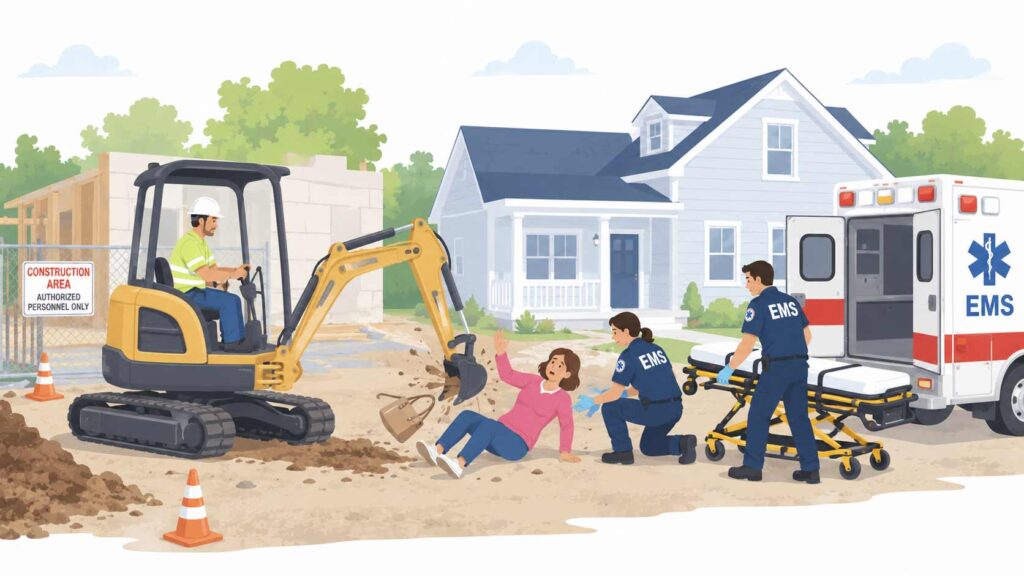
Liability coverage protects you if a guest or visitor is injured on your property and decides to sue. This can include slip-and-falls, injuries from defective stairs or railings, dog bites, or accidents involving amenities like pools, hot tubs, fire pits, or docks.
For vacation rental portfolios, liability exposure scales with the number of properties and guests. If you’re hosting hundreds of guests per year across multiple locations, the odds of a liability claim go up significantly. Make sure your liability limits are adequate—$1 million per occurrence is a starting point, but $2 million or higher may make more sense depending on your portfolio size and property types.
Loss of Rental Income and Business Interruption
If one of your properties is damaged and uninhabitable, you’re not just losing the physical structure—you’re losing the rental income that property was generating. Loss of rental income coverage (also called business interruption) helps replace that lost revenue while repairs are being made.
For portfolio owners, this coverage is critical. A fire in July that shuts down a lakefront rental for three months can wipe out a huge chunk of your annual income from that property. Make sure your policy includes enough loss of income coverage to actually replace what you’d lose during peak season.
Short-Term Rental and Vacation Rental Endorsements
Many standard landlord or homeowners policies exclude short-term rentals entirely. You need coverage specifically designed for vacation rentals, often added as an endorsement or written through a specialized program. These endorsements recognize:
- Higher guest turnover
- Commercial use of residential property
- Platforms like Airbnb, VRBO, or direct bookings
If you’re renting properties on a short-term basis (under 30 days), make sure your policy explicitly covers that activity. Relying on a standard homeowners or landlord policy without the right endorsements is a recipe for denied claims.
Umbrella Liability
An umbrella policy sits on top of your underlying liability coverage, providing an extra layer of protection. If you own multiple vacation rentals and have significant assets at risk, an umbrella is a cost-effective way to boost your total liability limits across your portfolio. It also covers you for claims that might exceed the limits on individual property policies.
Equipment Breakdown and Ordinance or Law Coverage
Vacation rentals rely heavily on HVAC systems, water heaters, refrigerators, and other equipment. Equipment breakdown coverage helps pay for repairs or replacement when critical systems fail. Ordinance or law coverage helps cover the cost of bringing a property up to current building codes after a loss—important for older properties in historic areas or those subject to stricter building regulations.
Structuring Policies for Multiple Properties: Individual vs. Blanket vs. Master
Once you’re managing multiple vacation rental properties, you have a few options for how to structure your insurance:
Individual Policies (One Policy Per Property)
This is the simplest approach, but it’s often the most expensive and administratively messy. Each property has its own standalone policy, its own renewal date, its own carrier, and its own claims history. It works fine for two or three properties, but once you hit five, ten, or more, it becomes a nightmare to manage.
Blanket Property Coverage
A blanket policy covers multiple properties under one policy, with a single total limit that applies across all locations. For example, you might have a $2 million blanket limit covering four properties, rather than four separate $500,000 policies. This approach offers flexibility and often costs less than buying individual policies, but it requires careful management to ensure the total limit is adequate as you add properties or property values increase.
Master or Schedule Approach
Some insurers offer master policies where each property is scheduled (listed) individually, but all are covered under one policy form with coordinated limits, deductibles, and terms. This gives you the administrative simplicity of a single policy with the specificity of individual property coverage. It’s often the best option for serious portfolio owners.
At Weed Ross, we help you evaluate which structure makes the most sense based on your portfolio size, property types, and growth plans.
Special Considerations for Different Vacation Rental Types
Not all vacation rentals are the same. Here’s how coverage needs to shift depending on what you’re renting.
Seasonal Rentals (Summer/Winter Only)
If your properties are only rented seasonally—say, summer rentals in the Finger Lakes or winter ski lodges in the Adirondacks—you need to make sure your coverage reflects that reality. During the off-season, properties are often vacant, which can change your insurance requirements and increase certain risks (frozen pipes, vandalism, undetected damage).
Make sure your policy:
- Allows for seasonal vacancy without voiding coverage
- Includes protection for risks like frozen pipes and burst water lines during winter months
- Offers loss of rental income coverage that accounts for the compressed rental season
Luxury Properties with High-Value Amenities
If you’re renting high-end properties with pools, hot tubs, fire pits, waterfront access, or expensive furnishings, your liability and property exposures are higher. You’ll need:
- Higher dwelling and contents limits
- Specific liability coverage for pools, hot tubs, and recreational amenities
- Potentially higher liability limits or umbrella coverage
- Consideration for high-value personal property (art, electronics, furnishings)
Urban Short-Term Rentals
Vacation rentals in cities or towns—apartments, condos, or townhouses rented on Airbnb or VRBO—come with their own risks: higher guest turnover, noise complaints, neighbor disputes, and parking issues. Make sure your policy covers short-term rental activity and includes liability protection for guest-related incidents.
Waterfront Properties
Lakefront, riverside, or canal properties in areas like the Finger Lakes, Thousand Islands, or Chautauqua Lake face unique risks:
- Flooding and water damage
- Dock and boathouse structures
- Guest injuries related to water activities
- Seasonal weather exposure
Standard property policies often exclude flood, so you’ll need separate flood insurance through the National Flood Insurance Program (NFIP) or a private flood carrier. Make sure docks, boat lifts, and other waterfront structures are covered under your policy or added as scheduled items.
How Weed Ross Helps New York Vacation Rental Investors Manage Portfolio Risk
Managing insurance for a vacation rental portfolio shouldn’t feel like a part-time job. At Weed Ross, we work with property investors across Western and Upstate New York to build insurance programs that scale with their portfolios. Here’s how we help:
- We consolidate coverage where it makes sense, reducing administrative headaches and often lowering total premium costs.
- We work with carriers that understand vacation rental and short-term rental risk, so you’re not fighting for coverage that should be standard.
- We help you structure policies as you grow—whether you’re adding your third property or your thirtieth.
- We review your coverage annually to make sure property values, rental income projections, and liability limits still match your actual exposure.
If you’re building a vacation rental portfolio in New York and want insurance that actually reflects how your business operates, get in touch with the team at Weed Ross. We’ll walk through your properties, identify gaps or inefficiencies, and build a program that protects your investment without overpaying for coverage you don’t need.