




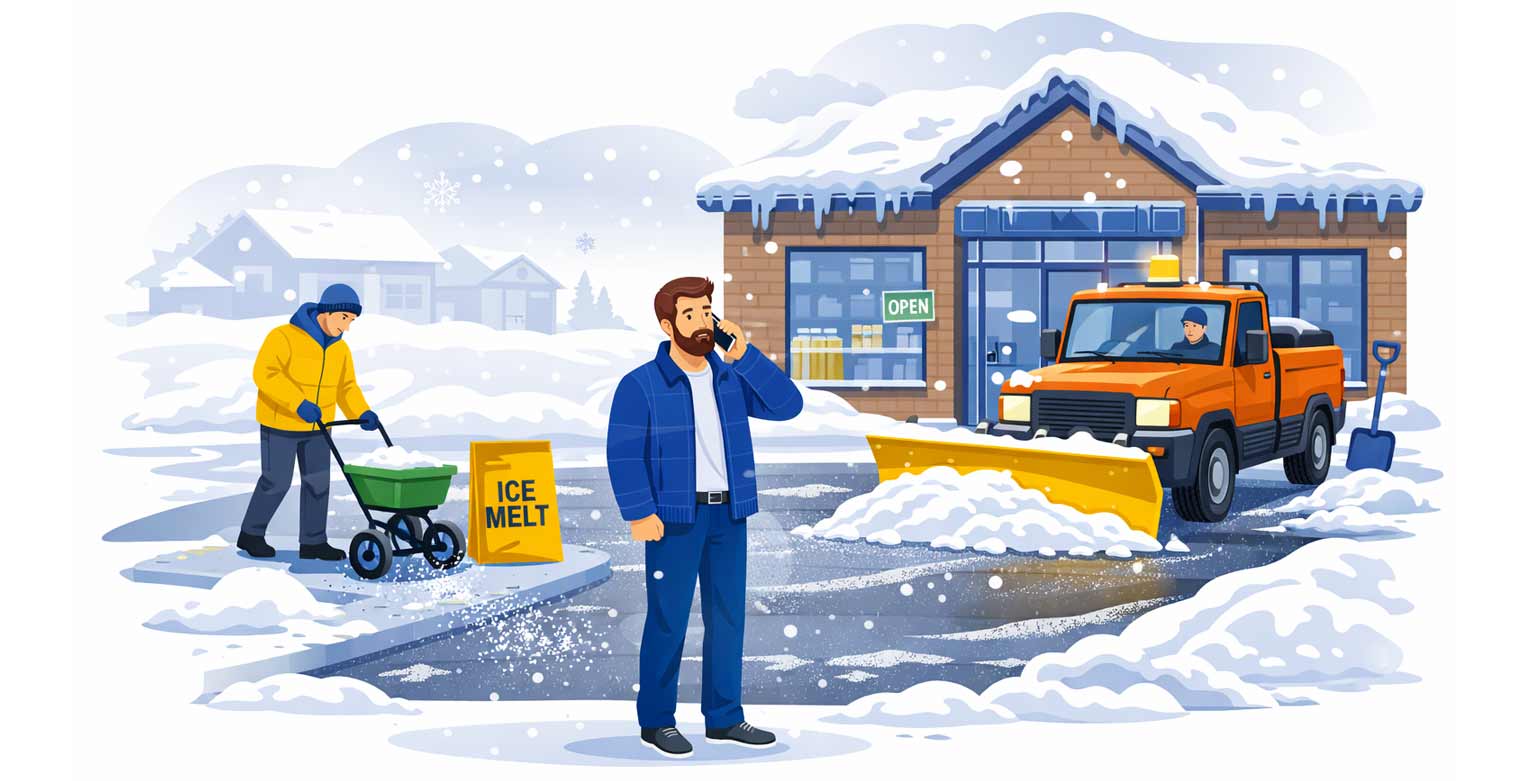
Winter in New York isn’t just cold—it’s operationally expensive and, if you’re not prepared, financially dangerous. Snow and ice don’t care if you’re a contractor, retailer, landlord, or manufacturer. They put your roof under stress, make your parking lot a hazard, freeze pipes, break equipment, and interrupt business at the worst possible times. One storm can turn into multiple claims if your coverage isn’t tuned for winter reality.
At Weed Ross, we spend a lot of time in November, December, and January helping business owners figure out whether their policies would actually respond the way they think they would if something goes wrong. The good news: most of the pain points we see are preventable with a mix of smart maintenance and the right insurance structure. Think of this as your winter readiness checklist from a local, independent agency that understands how New York winters really work.
In this article, we’ll cover:
- The biggest winter weather risks for New York businesses
- What to review in your property and liability coverage before it snows
- How business interruption, equipment breakdown, and auto fit into winter planning
- Practical risk-reduction steps that also help at claim time
- How a local independent agency like Weed Ross keeps you ahead of winter surprises
Winter Weather Risks for New York Businesses
Winter doesn’t hit every business the same way, but there are a few recurring trouble spots. Heavy snow, ice, freezing temperatures, and wind can lead to:
- Slip-and-fall injuries in parking lots, walkways, entryways, and stairwells.
- Frozen or burst pipes that flood office spaces, apartments, warehouses, and retail floors.
- Roof damage or collapse from snow load and ice dams.
- Power outages that shut down operations, spoil inventory, and damage equipment.
- Vehicle accidents in snow and ice involving company vehicles or employees on the road.
Your insurance should be built around the way winter actually shows up at your specific location: how your building is constructed, how much foot traffic you get, how old your systems are, and how dependent you are on power, heat, and refrigeration to operate.
Step 1: Review Your Commercial Property Coverage
Property insurance is your first line of defense against winter damage—but only if it’s set up correctly. Before winter really settles in, review:
Building and Contents Limits
Ask yourself: if the worst-case scenario happened—a major pipe burst on a weekend, a fire caused by a heater, a partial roof collapse from heavy snow—would your current limits really be enough to rebuild, repair, and replace what you own? Construction and replacement costs have climbed significantly in recent years. If your limits haven’t budged in five years, there’s a good chance they’re outdated.
Frozen Pipes and Water Damage
Most policies cover water damage from burst pipes, but there can be conditions: you may be required to maintain heat, drain systems when buildings are vacant, or take reasonable steps to prevent freezing. If your building sits partially empty on weekends or holidays, or you own seasonal properties, this is worth talking through in detail.
Roof and Snow Load Issues
Older roofs, flat roofs, and poorly insulated roofs are more vulnerable to ice dams and snow load. Some carriers apply more scrutiny or different terms when roofs hit certain ages. If your roof is 15–20+ years old, ask how it’s covered: replacement cost or actual cash value. Winter is a bad time to learn you’re only getting a depreciated payout.
Step 2: Make Sure Your Liability Coverage Matches Winter Reality
Winter dramatically increases your premises liability exposure. Ice, snow, standing water, and slush make slips and falls almost inevitable. General liability is what responds when someone claims your property conditions caused their injury—but only if your limits and structure are appropriate. See to it that:
- Your general liability limits are high enough for a serious injury claim (medical costs and legal fees add up fast).
- You have clear contracts or agreements if you use a snow removal contractor, and you understand who is responsible for what.
- Common areas, sidewalks, and parking lots you control are clearly covered by your policy.
You’ll still need to maintain walkways, salt and sand surfaces, and document your efforts—courts care about behavior, not just coverage. But if something does happen, you want enough liability protection to absorb the impact.
Step 3: Evaluate Business Interruption Coverage
Winter losses are not always about physical damage. Sometimes the real pain is the income you lose while you’re closed. A key form of business insurance, business interruption coverage is designed to step in when a covered property loss forces you to partially or fully suspend operations. Ask your agent:
- What triggers your business income coverage? (You typically need a covered property loss to start the clock.)
- How long does coverage last—what’s the indemnity period? 3 months, 6 months, 12 months?
- Does it include extra expense coverage to help you operate from a temporary location or rush repairs?
If you rely heavily on walk-in traffic, production schedules, or tight project timelines, business interruption isn’t just nice to have—it’s what keeps cash flowing when you’re digging out from a storm-related loss.
Step 4: Look at Equipment Breakdown and Utility-Dependent Operations
Winter is prime time for system failures. Heating systems, boilers, refrigeration, compressors, and specialized equipment all work harder in extreme cold.
Equipment Breakdown Coverage
Standard property insurance usually covers damage from external events (fire, wind, some water losses), but not internal mechanical or electrical failures. Equipment breakdown coverage fills that gap by helping with:
- Repair or replacement of failed equipment
- Resulting property damage
- Sometimes business interruption tied to that failure
If your business relies on heat (offices, apartments, senior living), refrigeration (food service, grocery, certain manufacturers), or essential machinery, this coverage deserves a close look.
Step 5: Don’t Forget Commercial Auto and Winter Driving
If your business involves driving—deliveries, service calls, snow removal, site visits—winter roads increase your exposure dramatically. Make sure your commercial auto program reflects:
- The actual vehicles being used (not tucked on a personal policy to save a few bucks).
- Realistic liability limits that protect the business if there’s a serious accident.
- Proper coverage for hired and non-owned auto if employees use their own vehicles for work.
You can’t control the weather or other drivers, but you can control whether an at-fault crash becomes a manageable claim or a business-threatening lawsuit.
Step 6: Use Risk Management to Support Your Coverage
Insurance responds after a loss. Risk management reduces the odds and severity of that loss—and it looks very good at claim time. A practical winter checklist might include:
- Regular roof inspections and snow removal plans.
- Pre-winter checks on heating systems, insulation, and pipe protection.
- Contracts and expectations for snow plowing and sidewalk maintenance.
- Documented salting, sanding, and clearing routines.
- Backup power plans for critical operations.
You’re not required to be perfect, but you are expected to be reasonable. When you can show a carrier—or an attorney—that you took winter risks seriously, the entire process tends to go better.
How Weed Ross Helps New York Businesses Prepare for Winter
As a local independent insurance agency, Weed Ross isn’t guessing what winter looks like for your business—we live in the same weather you do. We work with more than 40 carriers, which means we can:
- Review your current coverage for winter-specific gaps.
- Adjust limits, deductibles, and endorsements to reflect your real risk.
- Coordinate property, liability, auto, business interruption, equipment breakdown, and umbrella coverage into one cohesive program.
- Be here when something goes wrong—not as a call center, but as a team that knows your account.
Winter isn’t optional. But walking into it blind is. If you own or manage a business in New York, now is the time to run through a winter insurance checklist—not after the pipes freeze or the roof leaks. Reach out to Weed Ross and we’ll help you make sure your coverage is built for the season, not just the paperwork.